
Burke County Arrest Records and Charges
Burke County arrest records document the arrest or custody event. That side may involve the Sheriff's Office, a municipal police agency, booking, jail intake, bond, or custody status. The court charge record is different. It is the accusation filed into the court case, usually by criminal process, citation, information, indictment, or another prosecutor-driven filing. Once the charge enters court, the Clerk of Superior Court maintains the case record.
The Burke County Sheriff's Office and jail sources help with custody and booking questions. The eCourts Portal and Clerk of Superior Court help with the court charge record. The full case file, including pleas, motions, disposition, sentence, costs, probation, and appeal activity, belongs with Burke County criminal court records. That distinction keeps arrest records from being confused with convictions.
Find Burke County Arrest Records and Charges
The search path depends on the part of the record trail. For the arrest or custody side, use official sheriff and jail channels. For charges after arrest, use the North Carolina eCourts Portal, courthouse public terminals, and the Clerk of Superior Court. If the matter is still investigative and no charge has been filed, the court may not yet have a public case record.
- Start with the name, case number, citation number, or arrest-related information available from official paperwork.
- Search eCourts Smart Search by defendant name or case number and narrow to Burke County when possible.
- Open the case and review each charge, statute, offense class, charge status, bond entry, hearing date, and disposition.
- Use Search Hearings for the next court date or courtroom.
- Contact the Clerk of Superior Court for certified charge records, older files, and records not visible online.
- Use jail or sheriff channels only for custody and booking questions, not for certified court outcomes.
Burke County Arrest Records Sources
The Burke County Sheriff's Office is an official source for sheriff services, jail information, wanted information, tips, permits, divisions, and public safety updates.
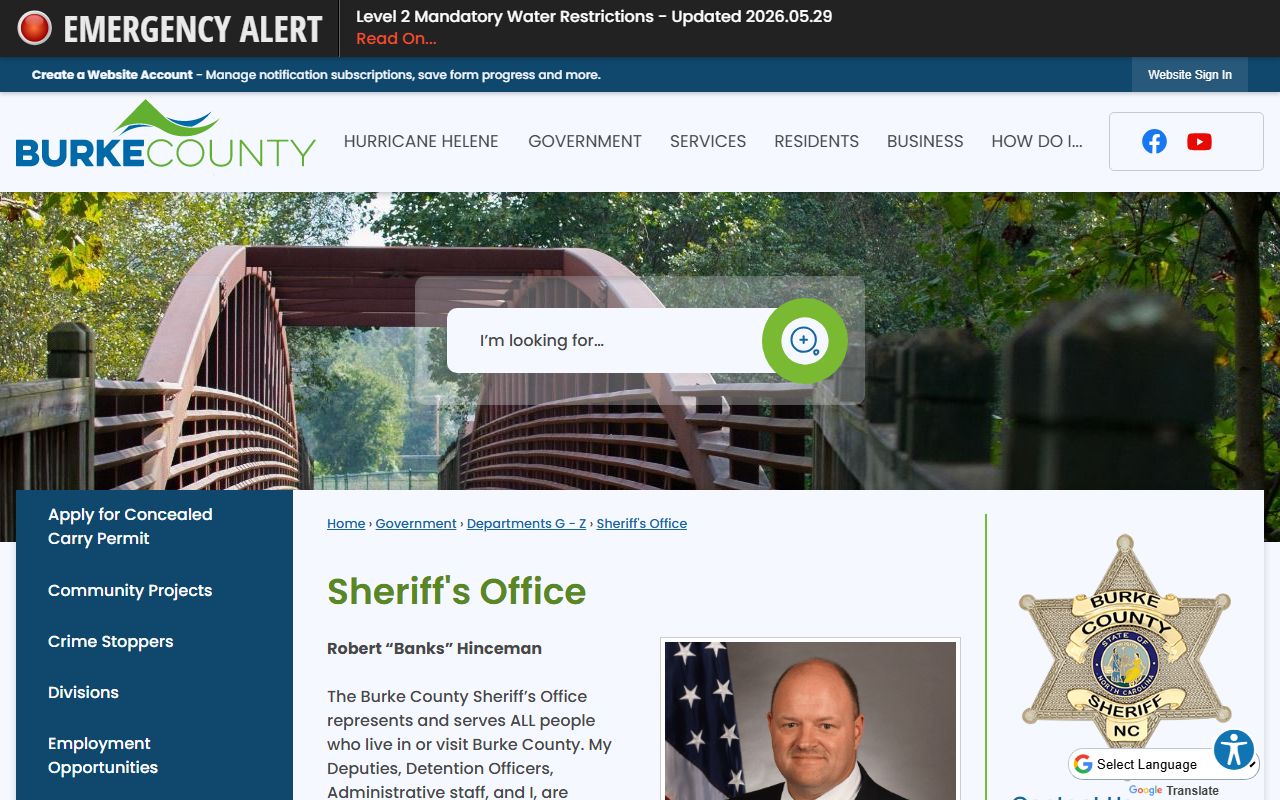
Sheriff information helps with the arrest side, while the court file controls the official charge and disposition trail.
The NC Department of Adult Correction public records guidance is useful because it states that DAC is not the custodian of court records, police reports, or traffic citations.
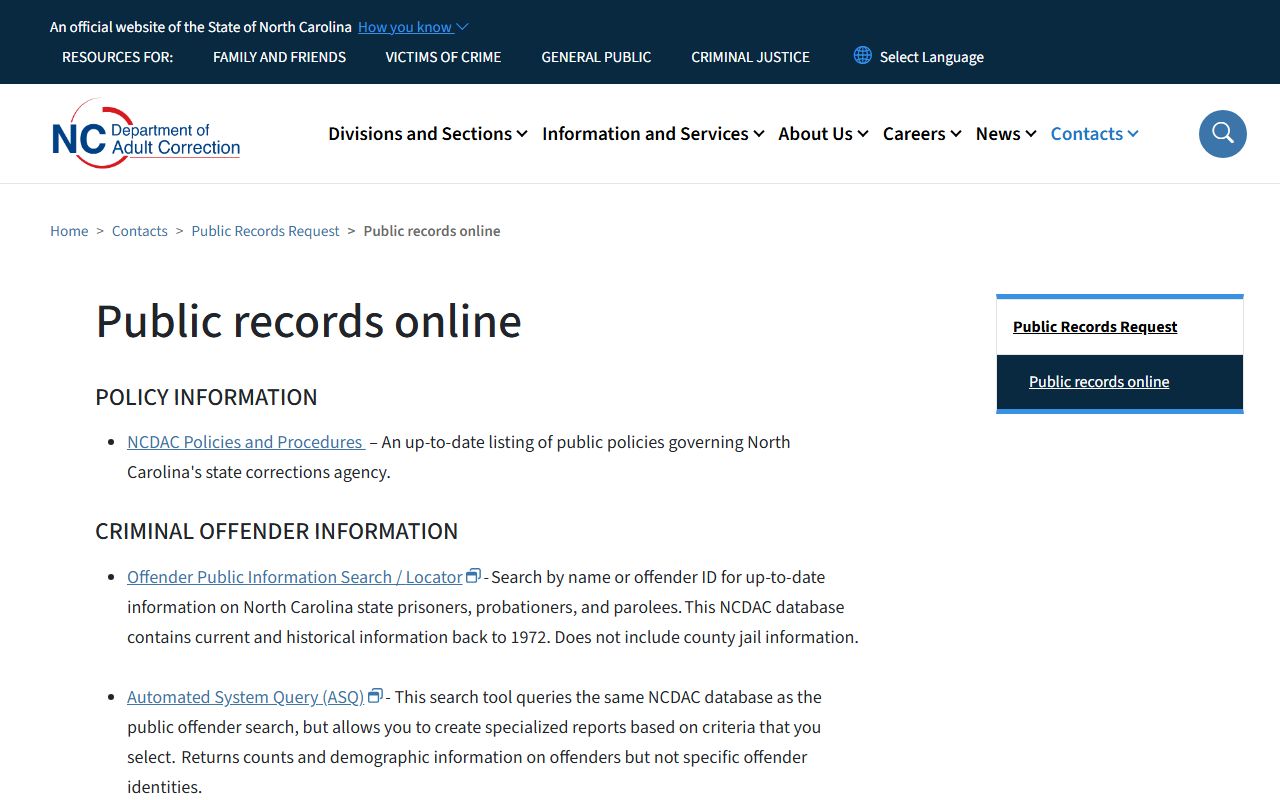
That warning matters when a person is trying to separate custody records, court records, and prison or probation records.
Charges After Arrest in Burke County
After an arrest, citation, or criminal process, the charge record identifies what the State alleges. The District Attorney prosecutes criminal cases and infractions, while magistrates and law-enforcement officers may be involved in initial criminal process. The formal charging path can vary by offense level and stage of the case.
| Charging Document | Who Uses It | Common Role | What to Check |
|---|---|---|---|
| Complaint or warrant | Officer, magistrate, or prosecutor path | Starts or supports a criminal accusation, often near arrest. | Offense, statute, probable-cause basis, issuing official, and date. |
| Information | Prosecutor | Formal prosecutor-filed charge where allowed by law and procedure. | Charge wording, offense class, date range, and amendments. |
| Indictment | Grand jury | Formal felony charging document returned after grand jury action. | Count numbers, felony level, statute, and later superseding filings. |
| Citation | Law-enforcement officer | Common in traffic, infraction, and some misdemeanor matters. | Citation number, court date, CR or IF case coding, and waiver eligibility. |
Burke County Charge Status
Charge status can change many times before final disposition. One arrest can lead to several charges. A prosecutor may amend, reduce, add, dismiss, or proceed on selected charges. A court record should be read charge by charge, not just by the arrest event or case headline.
| Status | What It Means | Record Caution |
|---|---|---|
| Pending | The charge has not reached final disposition. | Do not treat it as a conviction. |
| Amended | The charge wording, count, statute, or level changed. | Compare the original charge to the active charge. |
| Reduced | The charge was lowered by plea, prosecutor action, or court process. | The final conviction may differ from the arrest allegation. |
| Dismissed | The charge was not carried forward to conviction. | Dismissal may later support expunction review. |
| Disposed | The court recorded an outcome. | Read the exact disposition and sentence fields. |
Charge vs Conviction Comparison
A Burke County arrest record may show why a person was taken into custody. A court charge shows the accusation filed into court. A conviction is a later legal result. Public readers should not call a person convicted just because a charge appears in a court record.
| Point | Charge | Conviction |
|---|---|---|
| Legal meaning | An accusation filed through criminal process or prosecutor action. | A finding, plea, or judgment that resolves guilt or responsibility. |
| When it appears | Early in the court case, sometimes soon after arrest. | After plea, verdict, judgment, or another final outcome. |
| Can change | Yes, it may be amended, reduced, added, or dismissed. | Less often, but may be appealed, corrected, or expunged if eligible. |
| How to verify | Read the active charge and docket events. | Read the disposition, judgment, and sentence fields. |
Statewide Charge and Criminal Lookups
Statewide systems can help, but they do not replace the Burke County court case file. The NC Department of Adult Correction offender search is for state prison offenders, probationers, parolees, and historical correctional data. The State Bureau of Investigation sex offender registry is for registry information. VINELink is for custody notification. Each system answers a different question.
The North Carolina sex offender registry is an official registry source, not a general arrest records database.
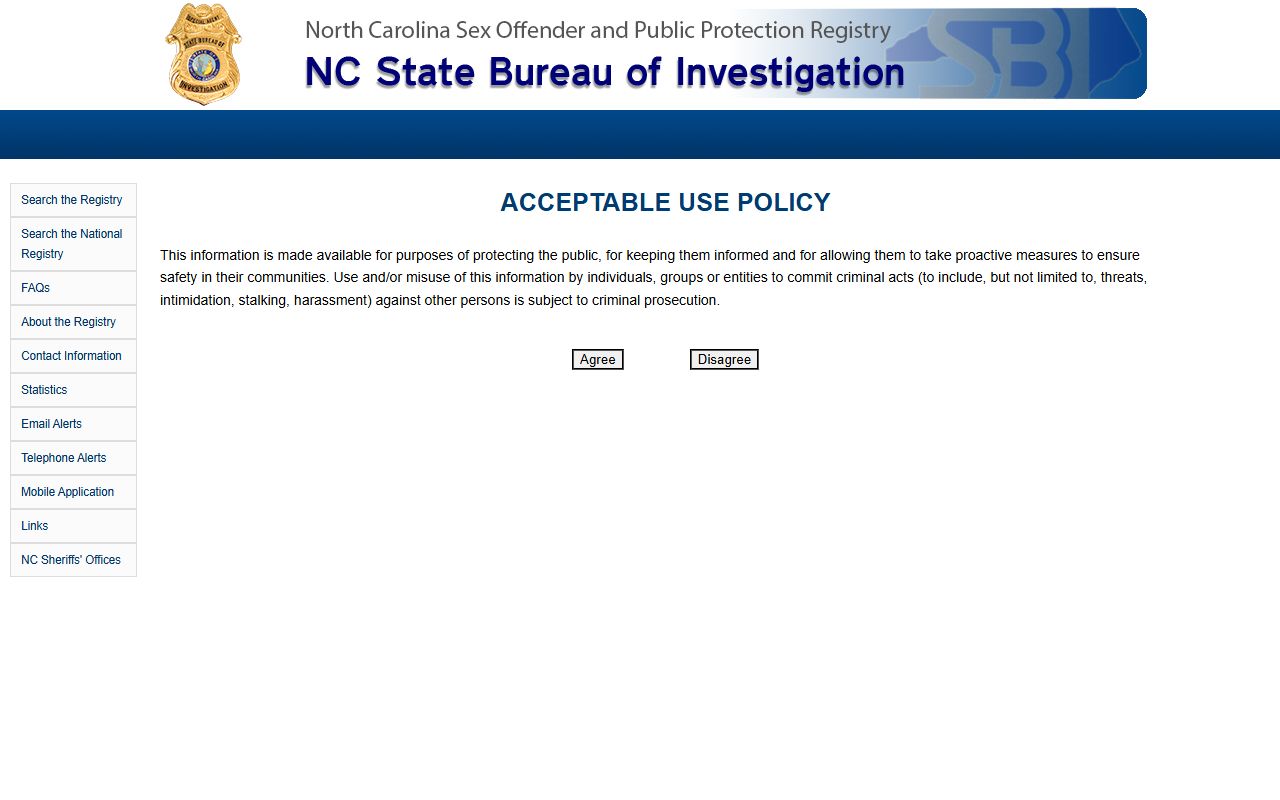
Registry status should be read separately from a pending court charge or jail booking event.
Sealed vs Expunged Charges
Some arrest records and court charges are removed from public view. Juvenile records are confidential under North Carolina juvenile statutes. Dismissed charges, not-guilty outcomes, and certain nonviolent convictions may qualify for expunction if statutory conditions are met. Expunction is not automatic and does not occur just because a charge was dismissed.
| Point | Sealed | Expunged |
|---|---|---|
| Public access | Hidden or limited by law or court order. | Cleared from public record after an expunction order is processed. |
| Typical examples | Juvenile, mental health, protected identifiers, safety-sensitive filings. | Eligible dismissed charges, not-guilty results, or qualifying convictions. |
| Burke filing path | Ask the clerk about access or court-order procedure. | File in the court where the charge occurred using the proper AOC process. |
| Timing | May apply from the start or after a sealing order. | Requires statutory eligibility, petition, order, and agency processing. |
The effect of expunction statute describes clearing public entries of an expunged arrest, charge, or conviction.
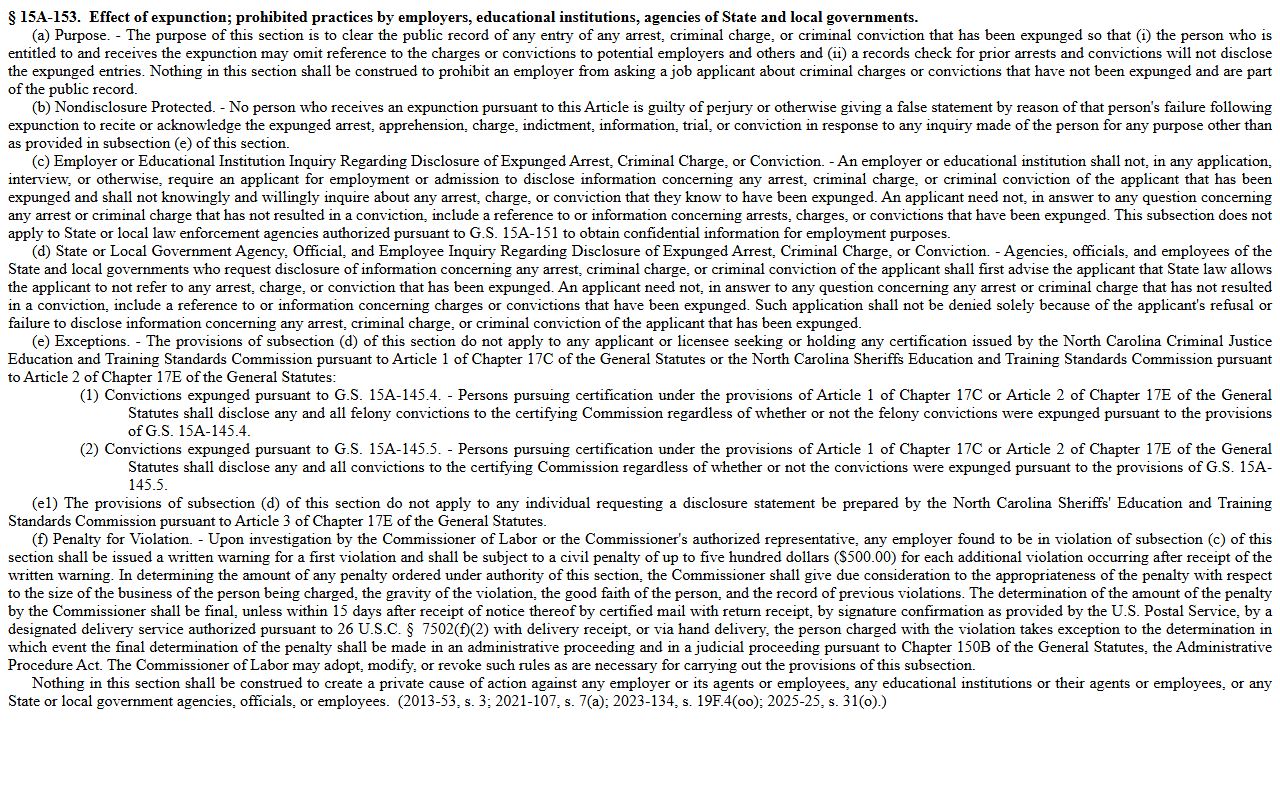
After an expunction order, public systems may need time to process and update the affected entries.
Burke Court Charges and Costs
Court charges can lead to costs, fines, restitution, attorney fees, and probation-related financial entries. Payment details do not prove conviction by themselves. The case disposition and judgment should be read with the financial fields. Some eligible criminal fees, fines, restitution, criminal attorney fees, and probation or parole fees may be payable through court payment tools, while other matters require the clerk or court direction.
N.C.G.S. 7A-304 is the North Carolina criminal court costs statute.
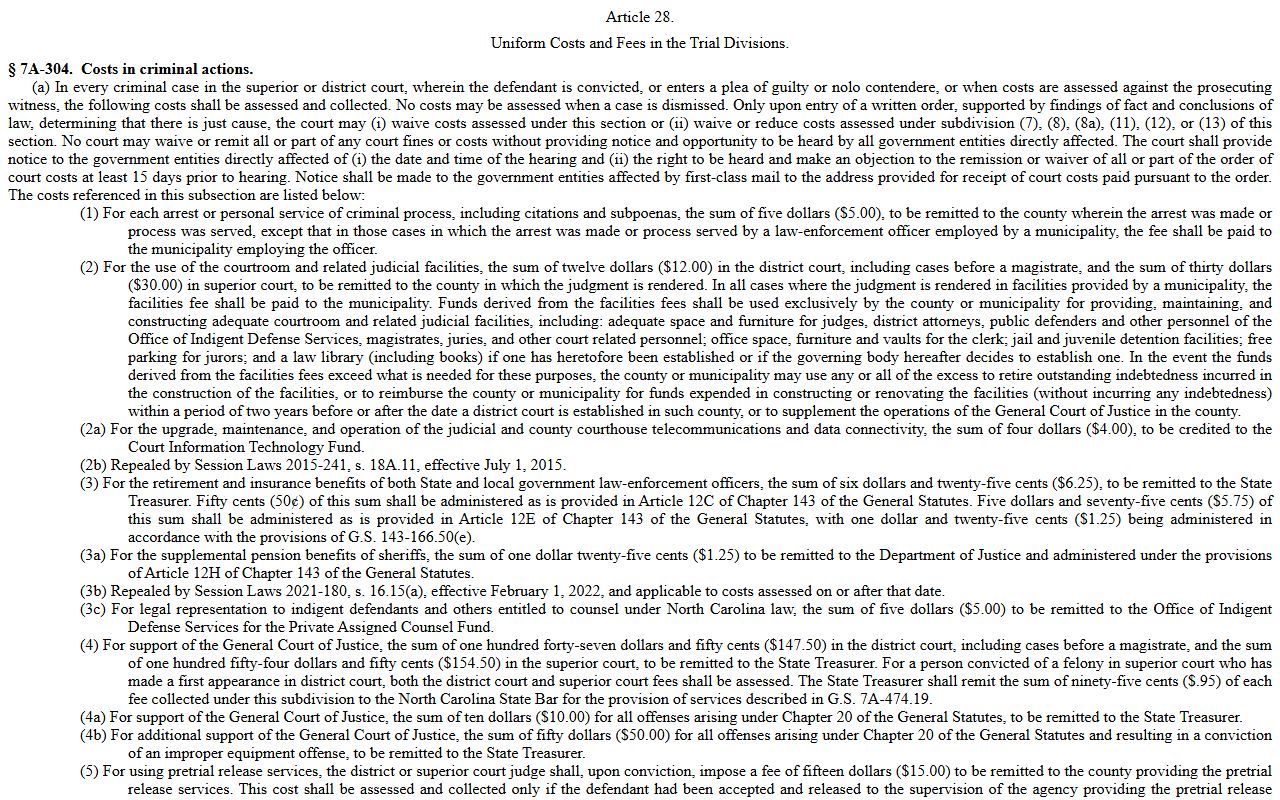
Cost entries should be checked against the charge disposition, sentence, and clerk record before drawing conclusions.
Restricted Burke County Charge Records
Public charge records do not include everything connected to an arrest. Law-enforcement investigative files are restricted under N.C.G.S. 132-1.4. Juvenile records are confidential. Sealed, expunged, mental health, protected-address, victim-sensitive, and non-public document attachments may be withheld. Social Security numbers, financial account numbers, medical details, and minor-identifying information should not appear in ordinary public records.
The District Attorney's office cannot give legal advice and cannot negotiate directly with a represented person. For appointed counsel questions, NC Indigent Defense Services directs Burke County users to contact the Clerk of Superior Court to find out whether a lawyer has been assigned. For custody status, use jail or sheriff channels. For the court charge and outcome, use eCourts or the Clerk of Superior Court.
Note: A public charge entry is a court accusation or status item, not proof that the person was convicted.