Burke County Probate Records
Probate in Burke County is handled by the Clerk of Superior Court as ex officio judge of probate. The research source explains that North Carolina vests probate of wills and estate administration in the Superior Court Division, with much of that work exercised by clerks of superior court. That means wills, estate administration, letters testamentary, letters of administration, inventories, accountings, guardianship filings, and related special proceedings route through the clerk, not through a separate county probate court.
The official statewide source for estates is the North Carolina wills and estates help topic.
Burke's Register of Deeds reinforces the routing. Its records page states that wills are maintained by the Burke County Clerk of Court and that estate questions should be directed to the clerk. The Register of Deeds may help with land, vital, and historical record context, but it is not the office that probates a will or opens an estate file.
Probate Terms Defined
Probate terms can be easy to confuse because some names describe people, some describe authority, and some describe the court process. The short definitions below match the way Burke County estate files are usually discussed.
- Testator
- The person who made a will.
- Executor or executrix
- The person named in a will to carry out estate duties if approved by the clerk.
- Administrator
- A person appointed to handle an estate when there is no qualifying named executor.
- Intestate
- Dying without a valid will, so estate distribution follows North Carolina law.
- Guardianship
- A court-supervised appointment to manage personal, medical, or financial needs for a minor or adult who meets the legal standard.
- Letters
- Letters testamentary or letters of administration are documents that show the personal representative's authority.
Search Burke Probate Records
A Burke County probate records search may start online, but courthouse channels remain important. The North Carolina eCourts Portal supports Smart Search and advanced case filtering, including Estates as a case type where available. Public users can search by party name, decedent name when indexed as a party, or case number, then narrow by location to Burke County when the Portal exposes location filters.
- Use Smart Search in the eCourts Portal with the estate name, decedent name, or known case number.
- Open advanced filters and narrow the search to Burke County and the estate or special proceeding case type when available.
- Review public case summary fields such as case information, party information, causes of action, case events, hearings, dispositions, and financial information if displayed.
- Use public terminals at the Clerk of Superior Court for civil, special proceeding, and estate information that is not clear online.
- Request paper estate files or certified copies from the clerk in the county where the estate case is located.
Note: Online case information is a search aid, not a substitute for a certified copy from the Clerk of Superior Court.
Burke Probate Contact Card
The probate contact point is the same court office that handles court records and paper files for Burke County. The official courthouse page lists the courthouse address, main phone, mailing address, and hours. The Clerk of Superior Court entry in the Burke contact directory uses the same main court phone listed in the research.
Clerk of Superior Court as ex officio judge of probate
Burke County Courthouse
201 South Green St
Morganton, NC 28655
(828) 433-3200
8:30 AM-5:00 PM weekdays
Burke Estate Administration
Routine estate administration begins with locating the will, identifying the decedent's county connection, and contacting the Burke Clerk of Superior Court. If there is a will, the clerk handles admission of the will to probate. If no will controls the estate, the clerk process determines who may qualify to administer the estate under North Carolina law.
Once the personal representative is appointed, estate work can include notices, asset collection, creditor issues, inventory filings, accounting, distributions, and final filings. Contested matters, unclear heirship, creditor disputes, complicated real estate, or litigation may move beyond routine clerk administration and involve Superior Court proceedings. The probate file may therefore show both administrative filings and court events.
| Probate record item | What it may show |
|---|---|
| Application or petition | Decedent name, residence, date of death, heirs, and requested appointment. |
| Will | Document admitted for probate, witness details, devisees, and named executor. |
| Letters | Authority for executor or administrator to act for the estate. |
| Inventory and accountings | Assets, estate activity, receipts, distributions, and final accounting details. |
| Guardianship filings | Petitions, orders, guardian identity, and reports, with confidentiality limits. |
Burke Guardianship Records
Guardianship is related to probate because it is handled through the clerk and special proceeding system, but it often has stronger privacy limits. Adult guardianship may involve capacity, medical, financial, and family details. Minor guardianship can include sensitive child information. Public case entries may exist, but specific documents can be restricted or redacted.
The official guardianship source is the North Carolina guardianship help page.
Burke Probate Fee Schedule
The research file did not locate official Burke-specific estate filing amounts. Because the build instructions prohibit invented fees, the schedule below separates confirmed payment/copy facts from items that must be verified with the clerk before filing or ordering copies.
| Item | Amount or action |
|---|---|
| Estate or probate filing fee | Not located in official Burke research; confirm with Clerk of Superior Court. |
| Guardianship filing fee | Not located in official Burke research; confirm with Clerk of Superior Court. |
| Court document copies | Fee exists, but exact Burke amount was not found in official local sources. |
| Certified probate copies | Confirm amount, certification fee, and payment form with the clerk before ordering. |
| In-person court payments | Cash, credit or debit card with processing fee, money order, or certified check; no personal checks. |
| Mail payments | Money order or certified check only; no cash and no personal checks by mail. |
Burke Probate Genealogy Records
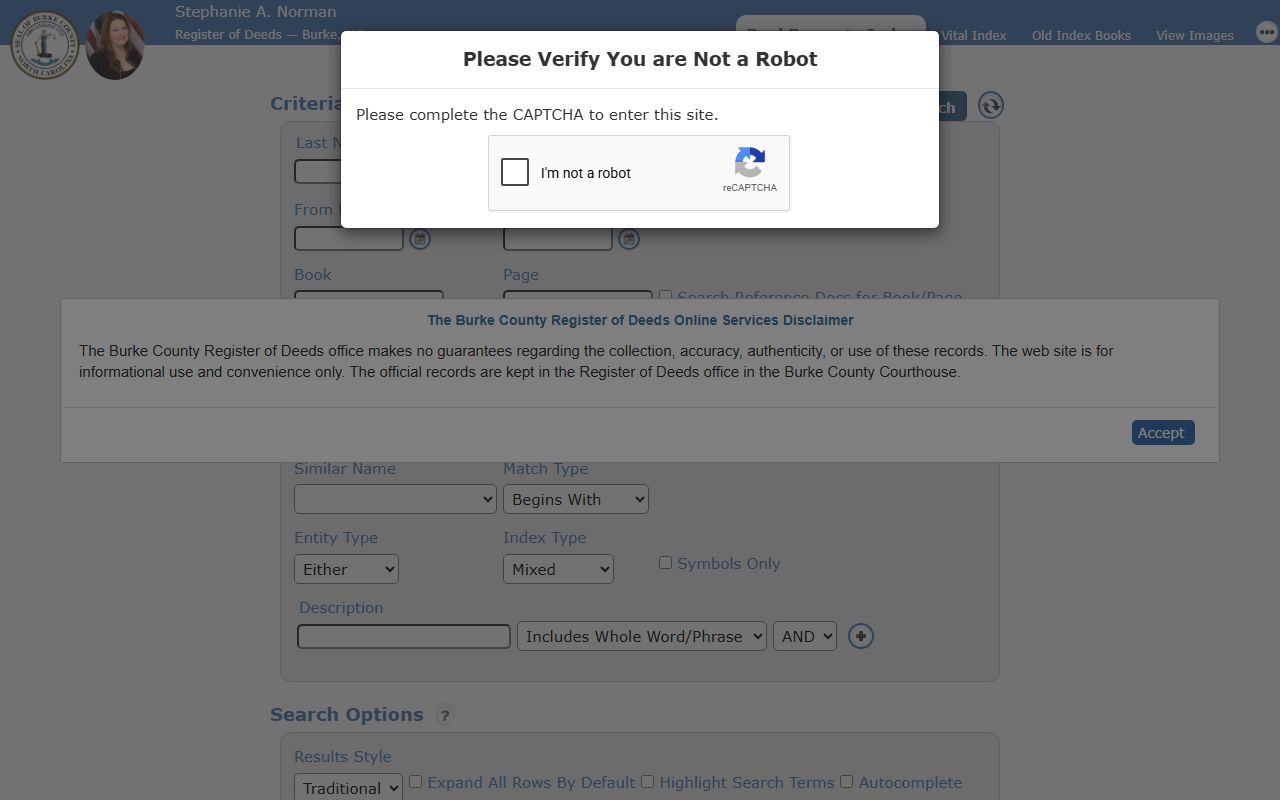
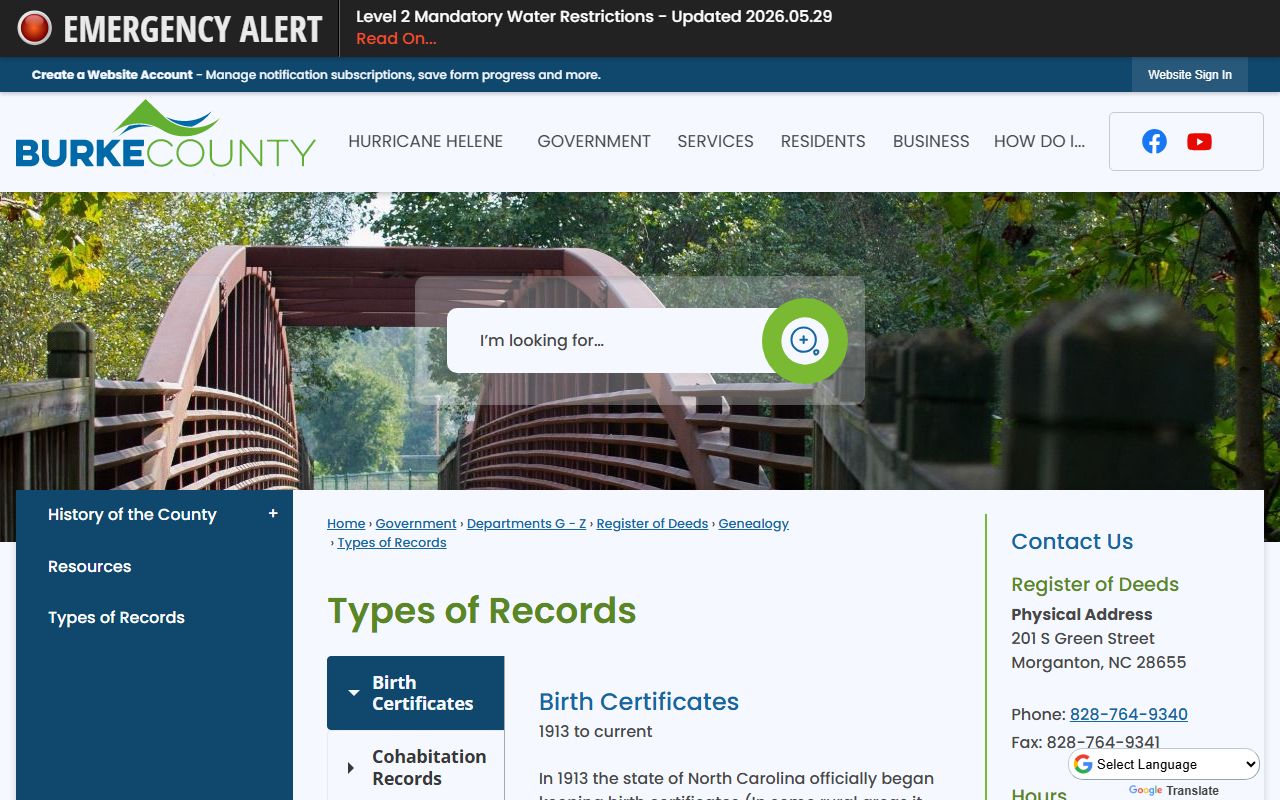
The Burke Register of Deeds online records service includes visible tabs for Real Property Index, Vital Index, Old Index Books, and View Images, but wills and estates are not Register of Deeds probate filings. The ROD's historical notes are still useful for genealogy because they explain older county record types and define will-related terms. Researchers working on older family lines may need both county historical indexes and clerk-maintained estate files.
The online county records service is listed at the Burke Register of Deeds online records service.
The county historical records source is the Burke Register of Deeds record types page.
Restricted Burke Probate Records
Many estate records are public, but public access is not unlimited. Guardianship, incompetency, juvenile-related material, protected addresses, medical details, financial account numbers, minor information, and sealed filings can be withheld or redacted. Public Portal users should expect to see only public information, while elevated or restricted access requires legal authority or a verified need.
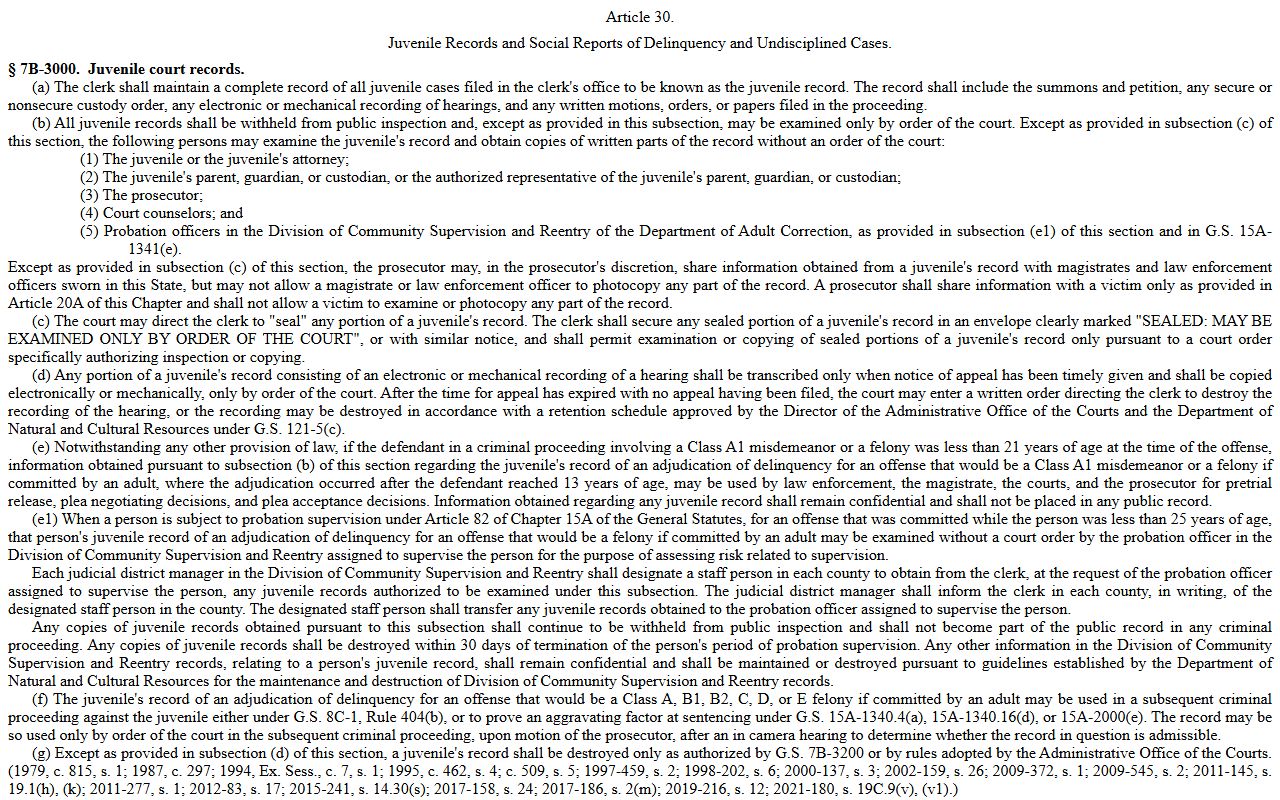
North Carolina juvenile confidentiality also matters when a probate-related file touches minors. N.C.G.S. 7B-3000 limits juvenile court records and information from those records.